

Floreios — Acrobatics
Demonstration involving great agility or complex body movement. In capoeira, acrobatics are called floreios — they can be used as both offense and defense.
Back to ProgramUnderstanding Acrobatics
Floreios in Capoeira
In capoeira, acrobatics are called "floreios." They can be used as both offense and defense. Some capoeira schools use a lot of acrobatic movements and have a specific musical rhythm for acrobatic games. Other schools play without much acrobatics at all.
There is a wide variety of acrobatic movements in capoeira: from bridges and headstands to complex sequences including jumps and backflips.
An acrobatic movement (called a "floreio") at the wrong time can show how unprepared the capoeirista is. Timing and context are everything.
When you are upside down, there is always the risk of receiving a low head-butt, front push kick, or some other attack. Look at your partner!
- What floreios are and how they fit in the game
- Your signature move — developing your identity
- Balance and control fundamentals
- Stretching for handstands and flexibility
- Animal moves — floor movement exercises
- Au (cartwheel) — technique and benefits
- Bananeira (handstand) — capoeira style
- Ponte (bridge) — posture and back strength
- 8 video lessons with guided practice
Many capoeiristas have their own signature floreio — something they are known for. The most advanced capoeiristas use floreios to show their abilities and how much they understand the game's rhythm and the conversation with their partner.
Foundation
Balance & Control
Before attempting acrobatic movements, build a strong foundation in balance and body control. Keep these principles in mind at all times.
Hands
- Always keep hands flat on the ground
- Use your hands to stabilize your body
- Spread your fingers to distribute weight evenly
Arms
- Hands in line with your shoulders
- Straight arms better support your body weight
- Shoulders close to your ears for stability
Eyes
- Try not to look at the ground
- Keep an eye on the other player
- Pay attention to their movements and intentions
Preparation · Flexibility
Stretching & Flexibility
Flexibility is the foundation of acrobatics. Practice these stretching routines to prepare your body for the movements ahead. Consistency over intensity — a little every day goes a long way.

Targeted stretches to prepare your wrists, shoulders, and core for handstand training.
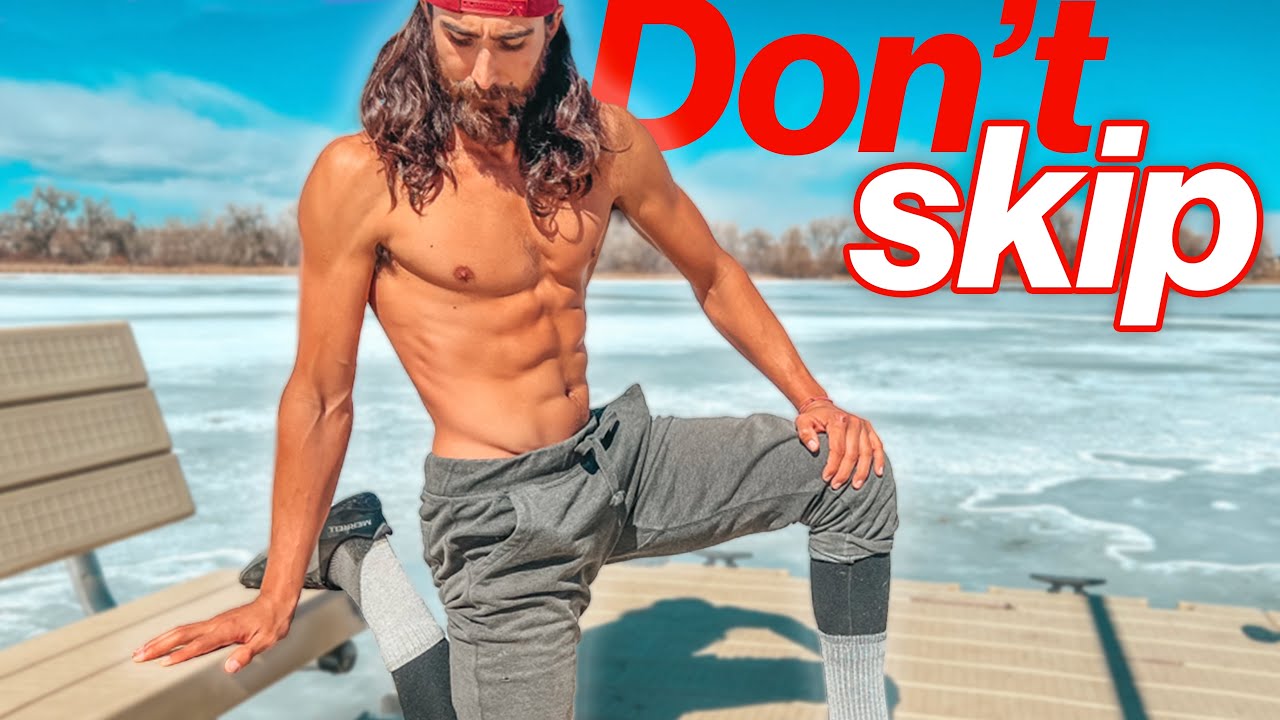
Five essential stretches that cover the whole body — efficient and effective for capoeira training.
Floor Movement
Animal Moves
Animal Moves Flow Exercises are an integral part of training to improve capoeira skills close to the floor. These exercises draw inspiration from the natural movements and agility of animals — cats, monkeys, crabs — and are designed to enhance the fluidity and control of the capoeirista.
By emulating these graceful, agile movements, practitioners develop the core strength, flexibility, and coordination necessary for executing intricate moves near the ground — smooth ground sweeps, takedowns, and escapes.
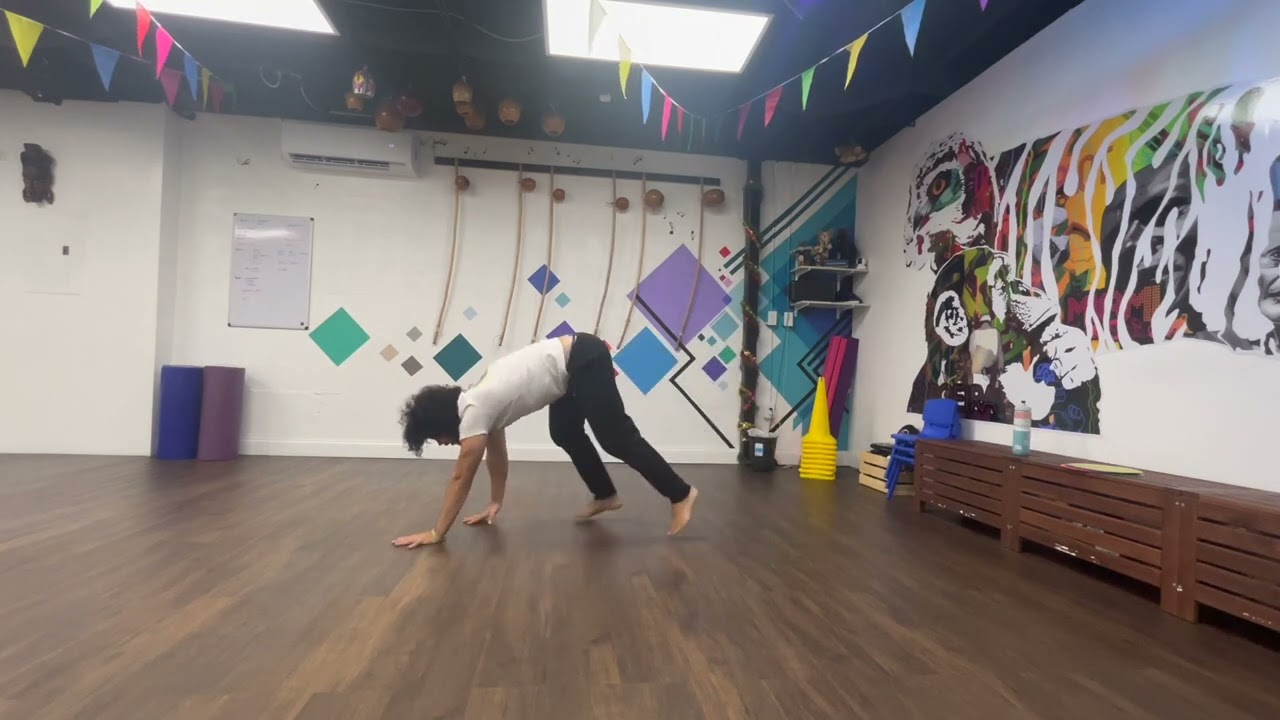
Floor movement exercises inspired by animals — build core strength, flexibility, and ground-level coordination.
Core Movement 1
Au — Cartwheel
A basic au is performed with arms and legs bent to be as small a target as possible. Players sometimes pause midway during an au, holding a bananeira (handstand), from which they can perform a wide variety of moves.
Au can strengthen your arms and shoulders, help with body awareness and balance — and it's fun! A lot of people are scared of doing cartwheels, but when they try it and get it right, they realize it's not so hard after all. Students become more confident because they overcome their fears.
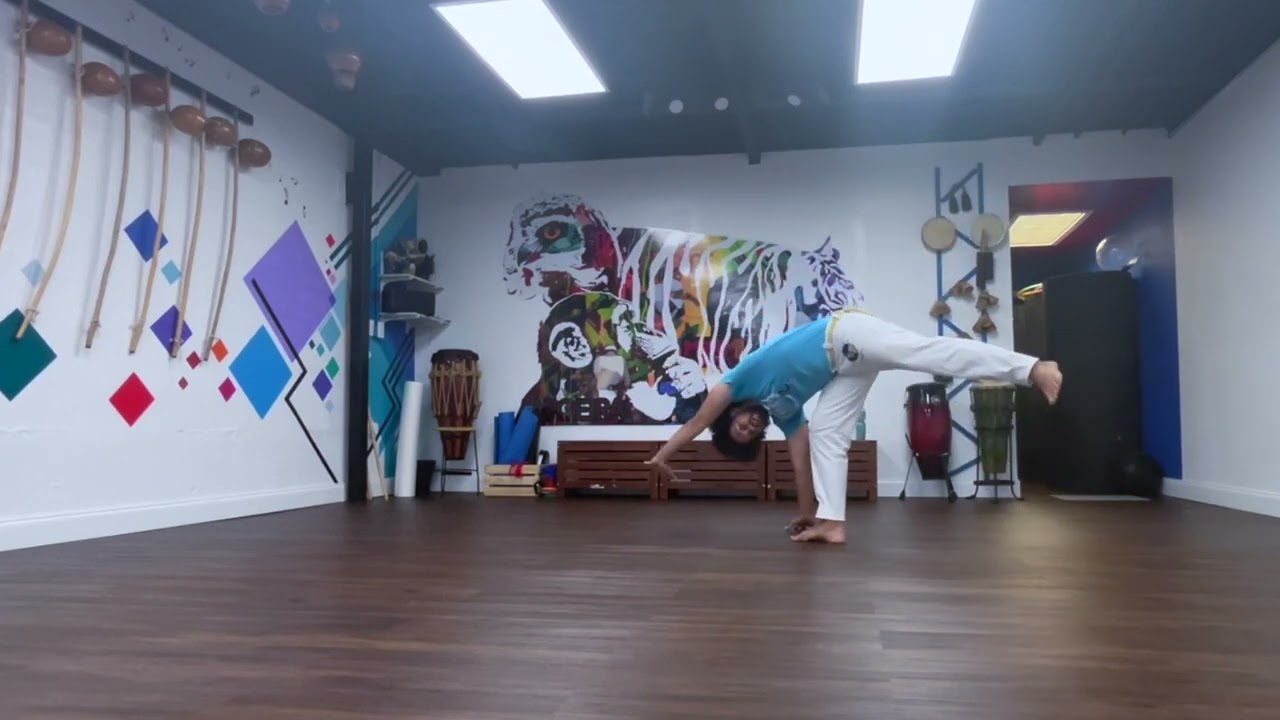
Learn the capoeira cartwheel — arms and legs bent to minimize your target profile while staying mobile.
Core Movement 2
Bananeira — Handstand
This movement gets its name from the banana trees of Brazil. One key difference between bananeira and a regular handstand: in capoeira, instead of looking down at your hands or the ground, you are always looking at the other player.
Like au, bananeira can strengthen your arms and shoulders and help with body awareness and balance.
- Walk your feet up the wall into a bananeira position, then back down. 3 sets × 5 reps
- Walk your feet up the wall, then hold the position. 3 sets × 10 sec
Step-by-step handstand tutorial — build the strength, balance, and technique for the bananeira.
Core Movement 3
Ponte — Bridge
The ponte is a bridge with the stomach facing upward and the hands and feet pushing the ground to keep the back arched.
We spend a lot of time sitting and hunched over at the computer or looking at our phones. Ponte can help with posture by opening the chest, relaxing the muscles that are always in contraction (like our abs), and strengthening our back muscles — balancing the body.
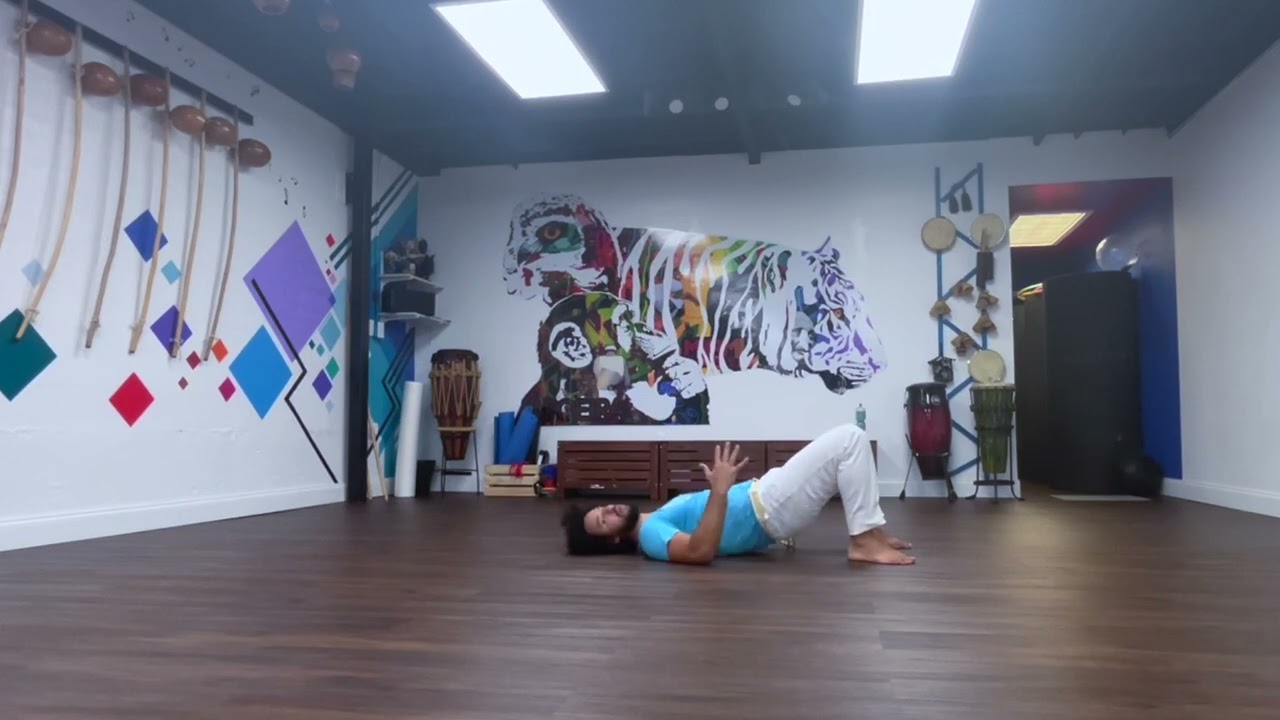
The capoeira bridge — opens the chest, strengthens the back, and builds the spinal flexibility needed for advanced moves.
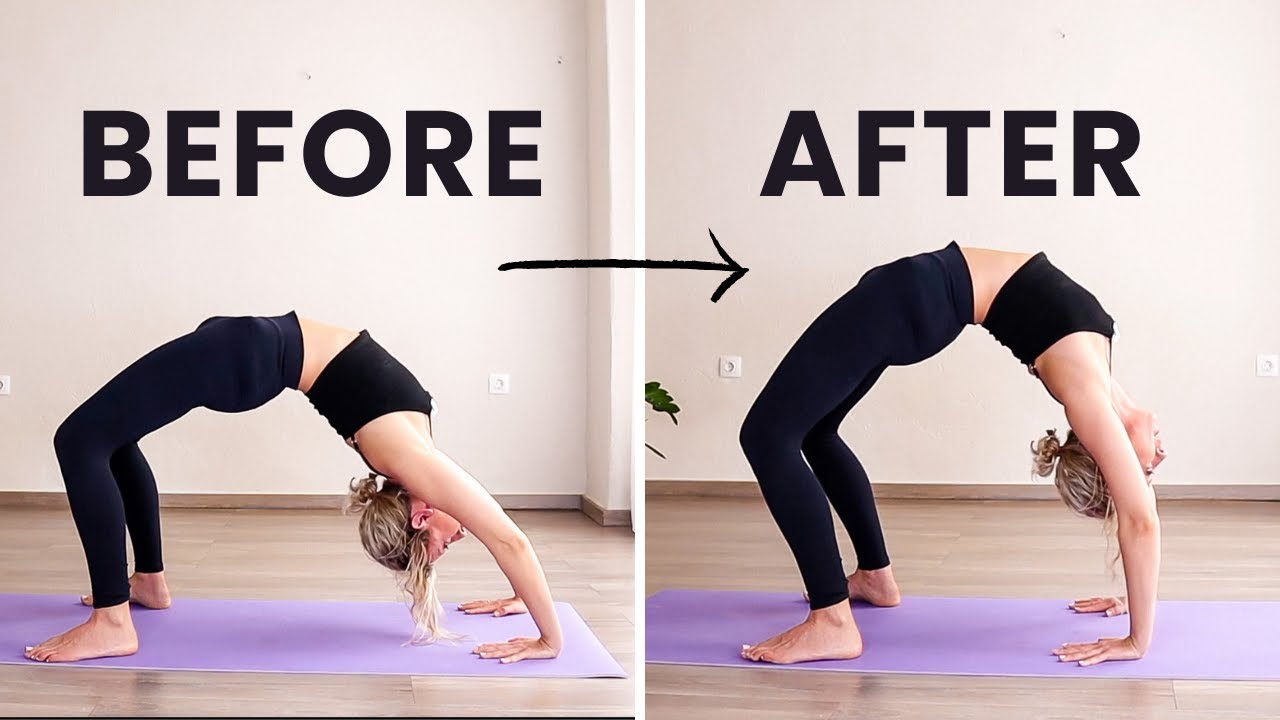
A beginner-friendly approach to the bridge — progressions and modifications to work toward the full ponte.
Long-Term Training
The Blueprint to Get Flexible
Flexibility is a long-term investment. This video gives you a sustainable system for building and maintaining flexibility — not just for a few weeks, but for life. Apply these principles to your daily practice.
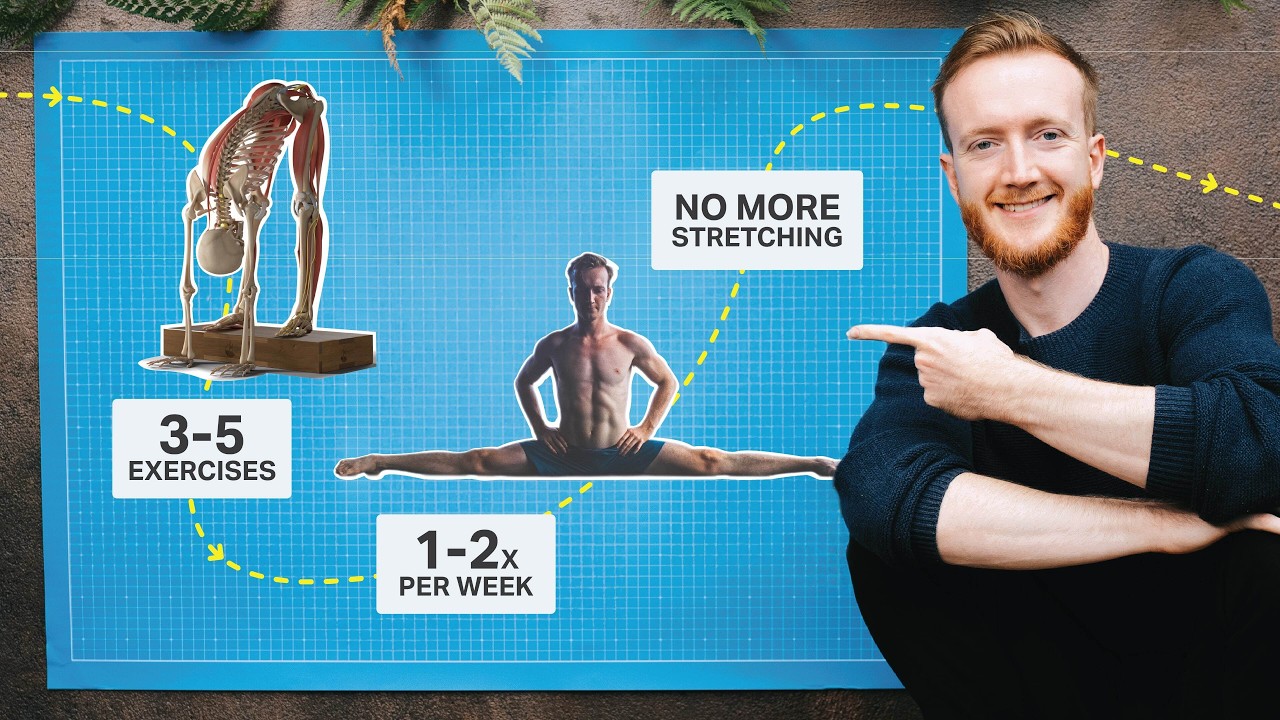
A long-term system for building lasting flexibility — the principles that make the difference between temporary gains and permanent change.
All Movements
The 3 Core Acrobatic Moves
Tap each movement to review the key technique points. Master these three and you'll have a solid acrobatic foundation for your capoeira game.
The capoeira cartwheel — performed with arms and legs bent to minimize your target profile while staying mobile and unpredictable.
- Keep arms and legs bent — be a small target
- Hands flat, fingers spread for stability
- Eyes on your partner throughout the movement
- Can pause mid-au into a bananeira (handstand)
- Builds arm and shoulder strength over time
Named after the banana trees of Brazil. Unlike a regular handstand, in capoeira you always look at your partner — not the ground.
- Hands in line with shoulders, arms straight
- Spread fingers to distribute weight evenly
- Shoulders close to ears for stability
- Always look at your partner — not the floor
- Practice against the wall first to build confidence
A bridge with stomach facing up — hands and feet push the ground to keep the back arched. Excellent for posture and spinal health.
- Hands and feet firmly on the ground
- Push hips up as high as possible
- Opens the chest and stretches the abs
- Strengthens the back muscles
- Counteracts the effects of sitting and screen time
Practice
Keep in Mind
"The most advanced capoeiristas use floreios to show their abilities, and also how much they understand the game's rhythm and the conversation with their partner."
How to Stretch for Handstand
Targeted stretches to prepare your wrists, shoulders, and core for handstand training.
The Only 5 Stretches You Need
Five essential stretches that cover the whole body — efficient and effective for capoeira training.
Animal Moves Flow
Floor movement exercises inspired by animals — build core strength, flexibility, and ground-level coordination.
Au — Capoeira Cartwheel
Learn the capoeira cartwheel — arms and legs bent to minimize your target profile while staying mobile.
How to Do a Handstand
Step-by-step handstand tutorial — build the strength, balance, and technique for the bananeira.
Ponte — Bridge
The capoeira bridge — opens the chest, strengthens the back, and builds the spinal flexibility needed for advanced moves.
Ponte for Beginners
A beginner-friendly approach to the bridge — progressions and modifications to work toward the full ponte.
The Blueprint to Get Flexible Once, Forever
A long-term system for building lasting flexibility — the principles that make the difference between temporary gains and permanent change.