

The Roda
The game is a conversation, a sequence of questions and responses. Some games can be highly complex, but Capoeira can also be played with a basic vocabulary of simple movements. The "roda" varies among different schools, lineages, styles, and teachers. Additionally, the game changes based on rhythm, songs, energy, and the individual. It's both personal and social. This means that each person interprets the "roda" uniquely, but Capoeira adheres to rules and traditions rooted in African cultures, influenced by the surroundings, environment, and historical contexts. It reflects the past while remaining relevant in the present.
The Game: A Reflection of You
Capoeira carries a rich historical connection, but your personal expression in Capoeira mirrors who you are and the world around you. Our program covers various elements, although there are more in Capoeira that you'll discover during training. Each of these elements can individually impact your gameplay, and together they contribute to your evolution in Capoeira.
Distance and direction
Connecting moves, combos, and sequences
Timing, technique, and expression
Creativity and spontaneity
Rituals and game traditions
Capoeira styles
Rhythms and lineages
Perception, strategy, and tricking your partner
Connectivity: with music, energy, the moment, and your partner
All these aspects can influence your gameplay and growth in Capoeira. It takes time and dedication to grasp them, but keeping them in mind is beneficial. Remember, your emotional state can affect your performance. Pay attention to how you feel and ensure you're enjoying this journey. Feel free to let us know how we can assist you!
The Foundation of the Capoeira Game
The game functions as a conversation, an exchange of questions and responses. While certain games possess a heightened degree of complexity, capoeira can also be engaged through a basic repertoire of uncomplicated movements. This versatility renders capoeira accessible to individuals of any age and physical condition. Capoeira operates akin to a language. You acquire a fundamental set of movements, serving as the bedrock for mastering additional techniques. With these maneuvers, you learn the art of constructing sequences, enabling you to engage in simple dialogues with fellow learners. Our objective centers on equipping our students with the vocabulary of movements and a comprehension of the game, empowering you to evolve in the direction of your choice.
Lineages
The evolution of capoeira has given rise to numerous theories, yet its African roots remain unmistakable, evident in its movements and rhythm.
Its origins trace back possibly to the 16th or 17th century when a substantial influx of slaves from regions in western Central Africa (Angola, Congo, Mozambique) arrived in Brazil, particularly Salvador and its surroundings. While the exact form of its arrival and subsequent evolution remains unclear, it's evident that Capoeira emerged through the efforts of African individuals during their enslavement in Brazil. It served as a means to liberate the body, uplift the spirit, resist oppression, confront oppressors, and safeguard their cultural heritage.
Towards the late 19th century, post-slavery, numerous freed individuals faced unemployment, leading some to resort to criminal activities. Consequently, Capoeira became associated with crime and was banned in Brazil in 1892, a ban that persisted until 1918. After this prohibition lifted, two distinct schools of Capoeira emerged: the "Centro Esportivo de Capoeira Angola" led by Mestre Pastinha and the "Luta Regional Baiana" led by Mestre Bimba. These two schools marked the initial formal foundations of modern Capoeira styles.
Capoeira Angola:
Capoeira Angola aimed to uphold the art's heritage, traditions, and roots. The term "Angola" was appended to distinguish it from the contemporary form known as Capoeira Regional, developed by Mestre Bimba. Likely, the inaugural official capoeira school was established by Mestre Pastinha in 1942.
Capoeira Regional:
Capoeira Regional, a dynamic style of Capoeira, was pioneered by the legendary Mestre Bimba (Manoel dos Reis Machado) in the early 20th century. Originating from Salvador, Brazil, Mestre Bimba revolutionized Capoeira by creating a structured training methodology. During a time when learning Capoeira mainly involved participation in the "roda," Mestre Bimba founded the first formal Capoeira school in 1932. Given Capoeira's legal constraints, he initially termed his style "Luta Regional Baiana" (Regional Fight from Bahia), which eventually evolved into the widely recognized Capoeira Regional.
The Structure of the Roda
What to Expect
The roda invariably commences with the berimbau, often led by the Mestre or an individual granted permission by the Mestre. The other instruments follow suit, each adhering to a specific rhythm derived from the initial berimbau. This pattern extends to the singing as well—either the Mestre or an authorized person initiates the singing, aligning it with the rhythm in play. The song should harmonize with the rhythm, as diverse songs convey distinct meanings. The music and songs serve as a means of communication, guiding players on what actions to take or avoid, when to initiate or cease, and whether the exchange is effective. The actual game only begins after a designated song, usually the "corrido," or upon instruction from the Mestre. The game itself is intertwined with the rhythm and the song.
Capoeira's Essence: Balance, Freedom, and Respect
Capoeira embodies equilibrium. It upholds the values of freedom and respect. Guard against exploitation; maintain kindness and generosity. Focusing solely on your wants and needs can hinder your integration into a community and obstruct genuine transformation.
Initiating and Concluding a Capoeira Game in the Roda
Starting a Capoeira Game:
The commencement of a Capoeira game in the roda is an orchestrated process that reflects the deep-rooted traditions of this Afro-Brazilian martial art. The initiation of the game is marked by a sense of respect, rhythm, and unity among participants.
Berimbau Call: The game traditionally begins with the resonant tones of the berimbau. The berimbau's rhythm signals the opening of the roda and invites players to step in.
Mestre or Authorized Player: Generally, it's the responsibility of the Mestre (master) to initiate the game. However, someone authorized by the Mestre can also start the game. This individual steps into the center of the roda and beckons another player to join, setting the game in motion.
Response: The called player acknowledges the invitation by stepping forward, symbolizing their readiness to engage in the game. This exchange of movements and energy becomes a captivating dance, a manifestation of the Capoeira philosophy.
Stopping a Capoeira Game:
Berimbau or Mestre's Call: The game can be halted by the berimbau or by the Mestre's instruction. This decision is typically made based on factors such as time, energy levels, or the flow of the game.
Return to the Roda: Upon hearing the signal to stop, the players disengage and return to the circle, the roda, where they continue to play instruments and sing while the next phase of the roda unfolds.
"Volta ao Mundo" in Capoeira:
"Volta ao Mundo," translating to "Around the World," is a captivating and intricate movement sequence in Capoeira. This sequence showcases a player's agility, balance, and ability to transition seamlessly between various acrobatic movements. It's characterized by fluid transitions from handstands, cartwheels, flips, spins, and other acrobatic maneuvers, forming an interconnected display of skill and creativity.
The "Volta ao Mundo" serves as both a display of prowess and a means of expressing oneself within the Capoeira game. Its execution within the roda is an awe-inspiring moment, exemplifying the rich fusion of athleticism, artistry, and cultural heritage that defines Capoeira.
Different Ways to Play Capoeira
Capoeira, the dynamic Afro-Brazilian martial art, offers a plethora of ways to engage and express oneself within the roda (circle). Here are some distinctive approaches to playing Capoeira:
Regional vs. Angola: Capoeira Regional, pioneered by Mestre Bimba, emphasizes a more structured and athletic style, with a focus on rapid, powerful movements. Capoeira Angola, as preserved by Mestre Pastinha, embraces a slower, more ritualistic form, rooted in tradition and characterized by deceptive, strategic movements.
Close to the Ground vs. Upright: Players can choose to engage close to the ground, using hands and feet for stability, and mimicking animal-like movements. Alternatively, they can play more upright, employing legwork for agile kicks and graceful movements.
Acrobatic vs. Grounded: Some Capoeira practitioners specialize in acrobatic displays, showcasing flips, spins, and cartwheels as central elements of their game. Others prefer a grounded style, focusing on low kicks, sweeps, and maintaining a stable base.
Aggressive vs. Playful: Capoeira can be played aggressively, with an emphasis on takedowns, powerful kicks, and a competitive spirit. Conversely, it can be played playfully, featuring feints, trickery, and a more lighthearted approach to the game.
Traditional vs. Contemporary: Some players adhere strictly to the traditional rhythms, songs, and movements passed down through Capoeira's history. Others incorporate modern influences, blending Capoeira with elements of contemporary dance or music styles.
Solo vs. Group Performances: While Capoeira often involves two players engaging in the roda, it can also be performed solo (called "solos" or "jogos de solo") or in larger group displays, adding complexity and diversity to the experience.
Focus on Music and Singing: Some Capoeira practitioners primarily engage with the musical aspect of the art, playing instruments like the berimbau and singing the traditional songs that accompany the game.
These various approaches to playing Capoeira showcase the art's adaptability and versatility, allowing practitioners to find their unique style and expression within this vibrant and culturally rich martial art.
Be respectful to the ritual
Study capoeira like you study at university
Your game will works better if you understand 3 things: The history of capoeira and our masters. To understand the ritual, traditions etc. The culture and reality in brazil. to understand the relation between jogador, lutador, malandro, personagem, etc. Energy and connection. To be able to be present and connect with yourself, and the roda
Respect the roda
Fist of all the roda is a ceremony, and should be respected remember why. People died in slavery just because their diferences, capoeira was created from the surfering from those people, capoeira was persecuted, stoled, punished blamed, ashamed, but the culture survived, and still surviving Today we celebrated but you can't forget the why Capoeira will give what you need to be better, but is not a tool to serve you and fillfull your desires, don't just take from it. Give back, use capoeira to share the magic with thoose that are on need.
The Music in Capoeira
This session isn't about learning to play Capoeira music but understanding how music works and influences the game to help improve your performance.
The bateria:
The bateria consists of the ensemble of instruments making up the music part in Capoeira. Its correctness depends on the harmony between these instruments, on the knowledge of the Capoeiristas that play it and on other details.
Mestre Pastinha formalized the inclusion of instruments into the capoeira Angola orchestra. He experimented with various instruments, occasionally incorporating guitars (viola de corda) and even introducing Spanish castanets into the roda at one point. The current standardized configuration of three berimbaus, two pandeiros, one agogô, one reco-reco, and one atabaque likely did not become established until the 1960s.
The standard instruments in nowadays capoeira are:
up to 3 berimbaus
up to 2 pandeiros
1 agogô
1 reco-reco (notched wooden tube similar to a guiro)
1 atabaque or conga
Bateria Capoeira Angola Example
Bateria Capoeira Regional Example
Capoeira instruments:
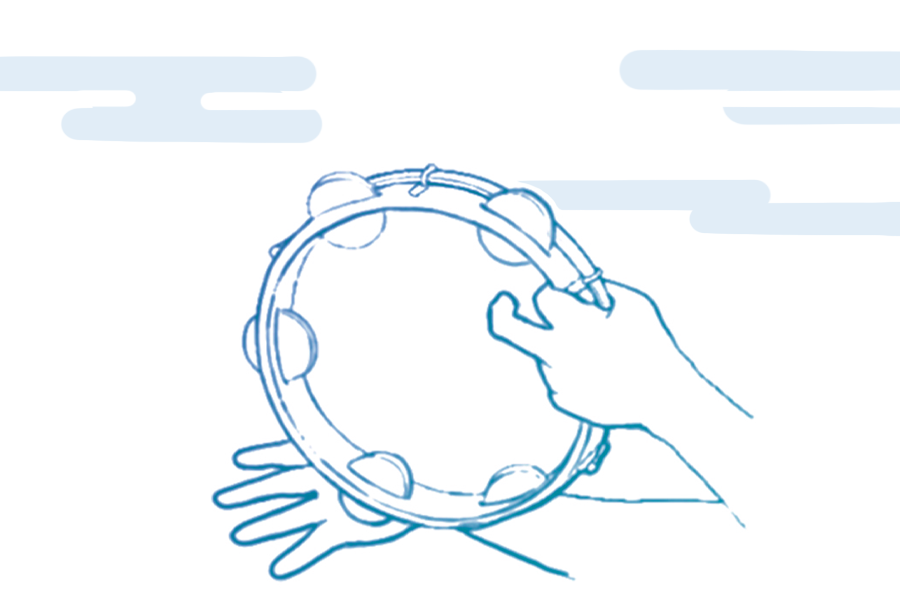
Pandeiro
The pandeiro, originally from East Africa, is a type of tambourine.
Reco-reco
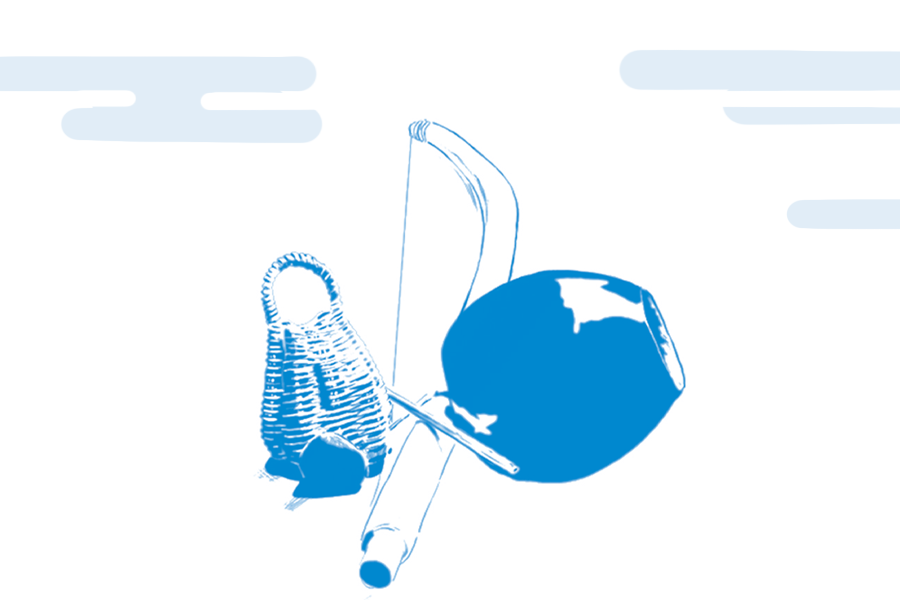
Berimbau
The berimbau is a musical bow of African origin.
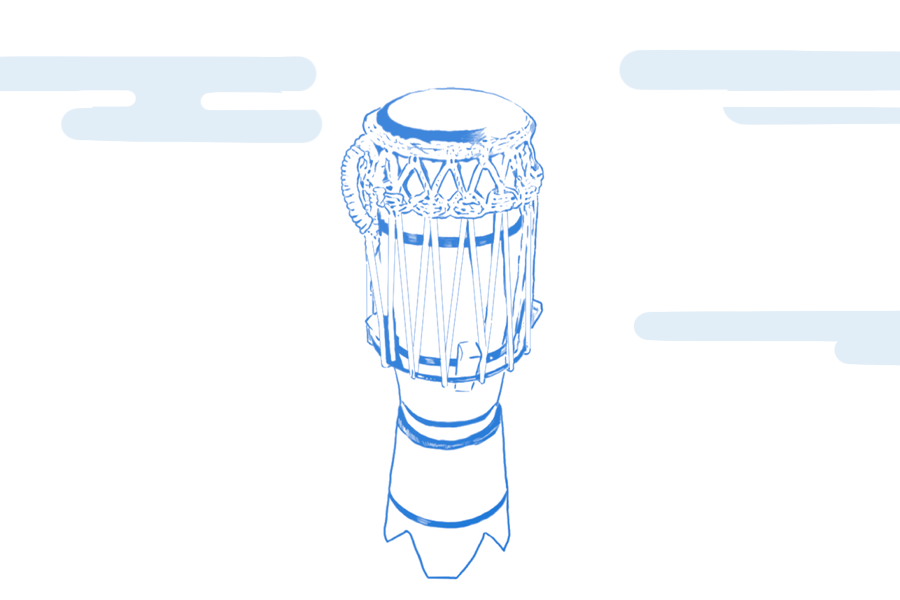
Atabaque
The atabaque is a tall hand drum.
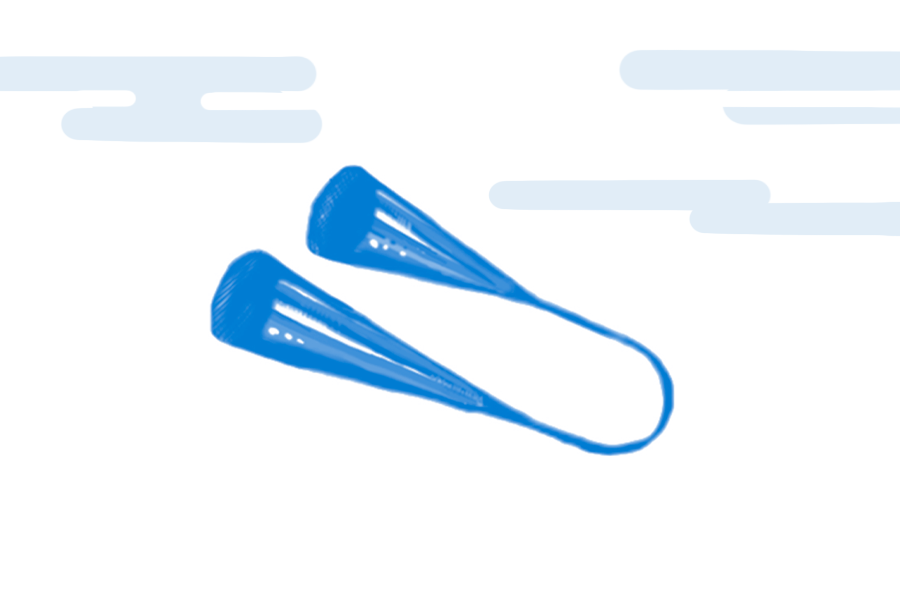
Agogô
The agogô is an African musical instrument whose name means “bell.” It consists of two hollow iron cones that are struck with a stick.
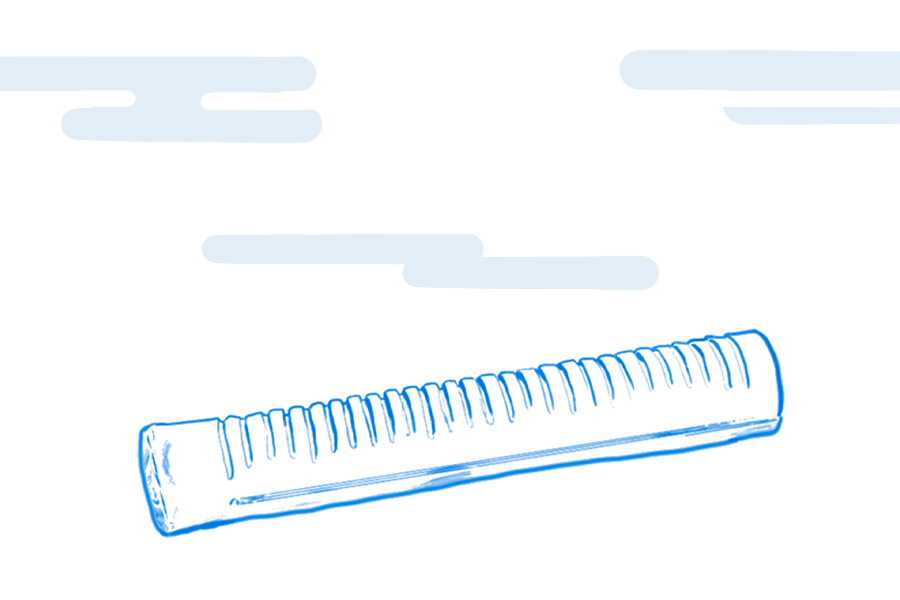
The reco-reco is a section of bamboo with notches cut into the side; it is played by rubbing a stick back and forth over the grooves.
Capoeira Songs
Ladainha
The roda commences with the ladainha (litany), a solo often sung by the most senior member present, usually the one playing lead berimbau. These songs may be improvised on the spot, but are most often chosen from a canon of extant ladainhas. The ladainha varies in from as little as two lines, to 20 or more. Topics for this song type include moral lessons, stories, history, mythology, can be topical for a particular occasion as well as pure poetry, and almost always metaphorical. The song is loosely strophic and the melody is pretty much the same throughout the entire ladainha repertoire, with some variations here and there. The ladainha uses quatrain form as a template, with the first line almost always repeated.
Iê...ê
Eu já vivo enjoado
Eu já vivo enjoado
de viver aqui na terra
amanhã eu vou pra lua
falei com minha mulher
ela então me respondeu
que nos vamos se deus quiser
Vamos fazer um ranchinho
todo feito de sapé
amanhã as sete horas
nos vamos tomar café
e o que eu nunca acreditei,
o que não posso me conformar
que a lua vem à terra
e a terra vem à lua
todo isso é conversa
pra comer sem trabalhar
o senhor, amigo meu, colega velho
escute bem ao meu cantar
quem é dono não ciuma
e quem não é vai ciumar
camaradinho
Ieeeee
I'm nauseous (Tired)
I'm nauseous (Tired)
of living here on Earth
Tomorrow I'll go to the Moon
I told my wife
And she responded
Then we'll go, God willing
We'll have a little ranch
All made of straw
Tomorrow morning at seven
We'll have some coffee
What I never believed
What I can't settle for
The moon would come to Earth
And the Earth to the Moon
This is just talk
To eat without working
Sir, good friend, old colleague
Listen well to my song
Who owns it, is not jealous
and who doesn't own it, wants to be (jealous)
Comrade …
Louvação
The louvação begins the call and response section of the roda. The louvação invokes God, Mestres, capoeira, and gives thanks. This section are also called "Chulas. "(Italicized line is the chorus)
Iê, Viva meu Deus
Iê, Viva meu Deus, camará
Iê, Viva meu Mestre
Iê, Viva meu Mestre, camará
Iê, quem me ensinou
Iê, quem me ensinou, camará
Iê, a capoeira
Iê, a capoeira, camará
É Água de beber
Iê, Água de beber, camará
É ferro de bater
Iê, ferro de bater, camará
etc...
Iê, Long live my God
Iê, Long live my God, comrade
Iê, Long live my Master
Iê, Long live my Master, comrade
Iê, who taught me
Iê, who taught me, comrade
Iê, Capoeira
Iê, Capoeira, comrade
It's water to drink
Iê, water to drink, comrade
It's iron to strike
Iê, iron to strike, comrade
etc...
Corrido
The corridos are overlapping call and response typical of African singing, and influenced by, and borrowing from the Sambas de Roda of Bahia. Unlike the Mexican Corrido which is a form of folk ballad, the Bahian corrido is a short song with a usually static response. The chorus is often indicated by being used as the first line in the song:
Ai, ai, aidê
oiá Joga bonito que eu quero ver
Ai, ai, aidê
oiá Joga bonito que eu quero aprender
Ai, ai, aidê
oiá nossa senhora quem vai me protejer
Ai, ai, aidê
Look* , Play beautifully, I want to see
Ai, ai, aidê
Look, Play beautifully, I want to learn
Ai, ai, aidê
Look, Our Lady* , who will protect me
Look (Oiá)" is used to fill space in songs, similar to when you say "ê" or "ah.
Our Lady of Aparecida ("Our Lady, the Appeared is a title of the Blessed Virgin Mary associated with the Immaculate Conception. Our Lady of Aparecida
Quadra
An innovation of Mestre Bimba, quadras take the place of the ladainha in some Regional and Contemporânea capoeira schools. They are four, eight, twelve (...) verse songs sung solo followed by the louvação. The main difference between the ladainha and quadra is that the quadra, like the corrido, doesn't have a standard melodic model and exhibits a greater variety melody. Quadras also exist as a special type of corrido with four line solo verses followed by the choral response, such as the following:
Capenga ontem teve aqui
Capenga ontem teve aqui
Deu dois mil réis a papai
Três mil réis a mamãe
Café e açúcar a vovó
Deu dois vintém a mim
Sim senhor, meu camará
Quando eu entrar, você entra
Quando eu sair, você sai
Passar bem, passar mal
Mas tudo no mundo é passar
Ha ha ha Água de beber
Louvacão after quadra
Capenga was here yesterday
Capenga was here yesterday
Gave two thousand réis to dad
Three thousand réis to mom
Coffee and sugar to grandma
Gave two vintém to me
Yes sir, my camará
When I enter, you enter
When I leave, you leave
Pass well, pass badly
But everything in the world is passing
Ha ha ha Water to drink
“Louvação” after the block
Chula
The term chula is often given to the call and response song. By comparison, traditionally in Bahia the chula is the free form song of the Samba de Roda sung between the dances (as in the samba parada) and defines the structures of the various other "styles" of samba de roda, while the samba corrido lasts as long as the singer feels like singing it before moving on to another. The chula is a poetic form based on the quadra (quatrain) form (which may have influenced Mestre Bimba's replacement of ladainhas with quadras) with its roots in Iberia. The word chula comes from the word chulo meaning "vulgar", common, rustic (similarly the Spanish word chulo/chulito is used for peasant Indians in the Americas), being often pastoral and sentimental.
How the term chula came to refer to the style of the song isn't currently known. But its similarity to the ladainha and the use of corrido songs from the samba de roda tradition probably played a large role.
The rhythms
Start by getting to know these four fundamental rhythms in Capoeira. While there are many other rhythms to explore, these are the ones you should focus on when you're new to the practice. They will help you understand the types of songs, movements, game styles, and intentions associated with each rhythm during the roda.
Angola
São Bento Pequeno de Angola
São Bento Grande de Angola
São Bento Grande da Regional
References:
Resource: Intro Program Book created by M. Cabeção to assist students through the learning process and Youtube